Today I performed a very important task: load tests to verify the quality and strength of my Oregon pine beams. I selected three samples from different beams.
The test setup is described in the documentation. The only difference from the documentation is that I had to use 18 × 18 mm sticks instead of 19 × 19 mm since I do not have a lot of excess material and have my sticks already cut to 18 × 18 mm. Otherwise, I follow the setup. The samples are a bit over 600 mm long and supported at exactly 600 mm distance.
The test consists of two cycles:
- Apply a load of 50 kg in the centre, then remove the load. To pass the test, the beam has to elastically return to its original shape without any visible damage or deformation.
- After passing the first test, the beam is loaded to failure and the ultimate load is recorded. The stress at failure has to exceed 90 MPa. For the 19 × 19 mm sticks, that corresponds to a load of 70 kg. With the smaller cross-section, the 18 × 18 mm sticks have to exceed 580 N, or 59.2 kg of load.
Test Setup
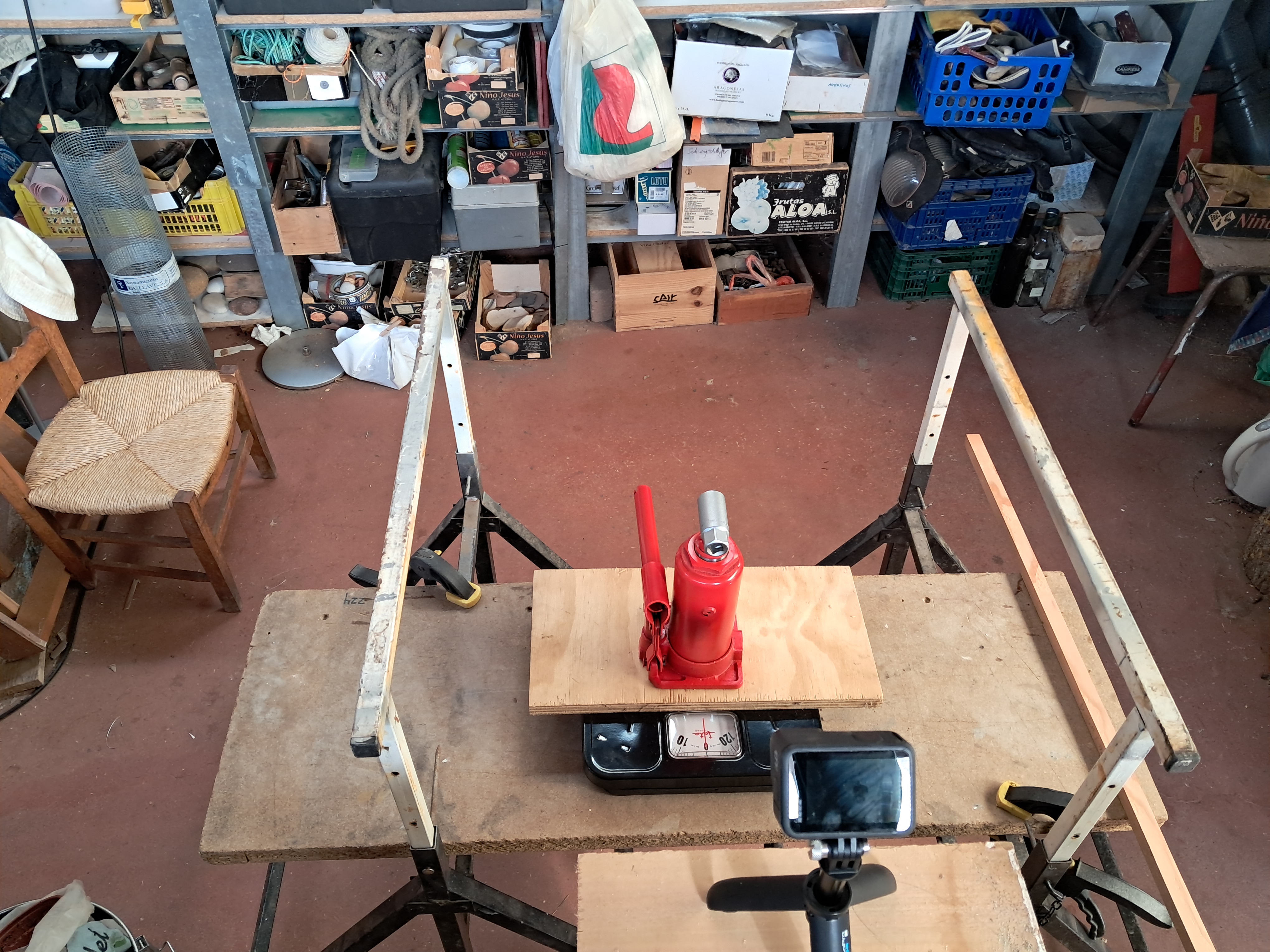
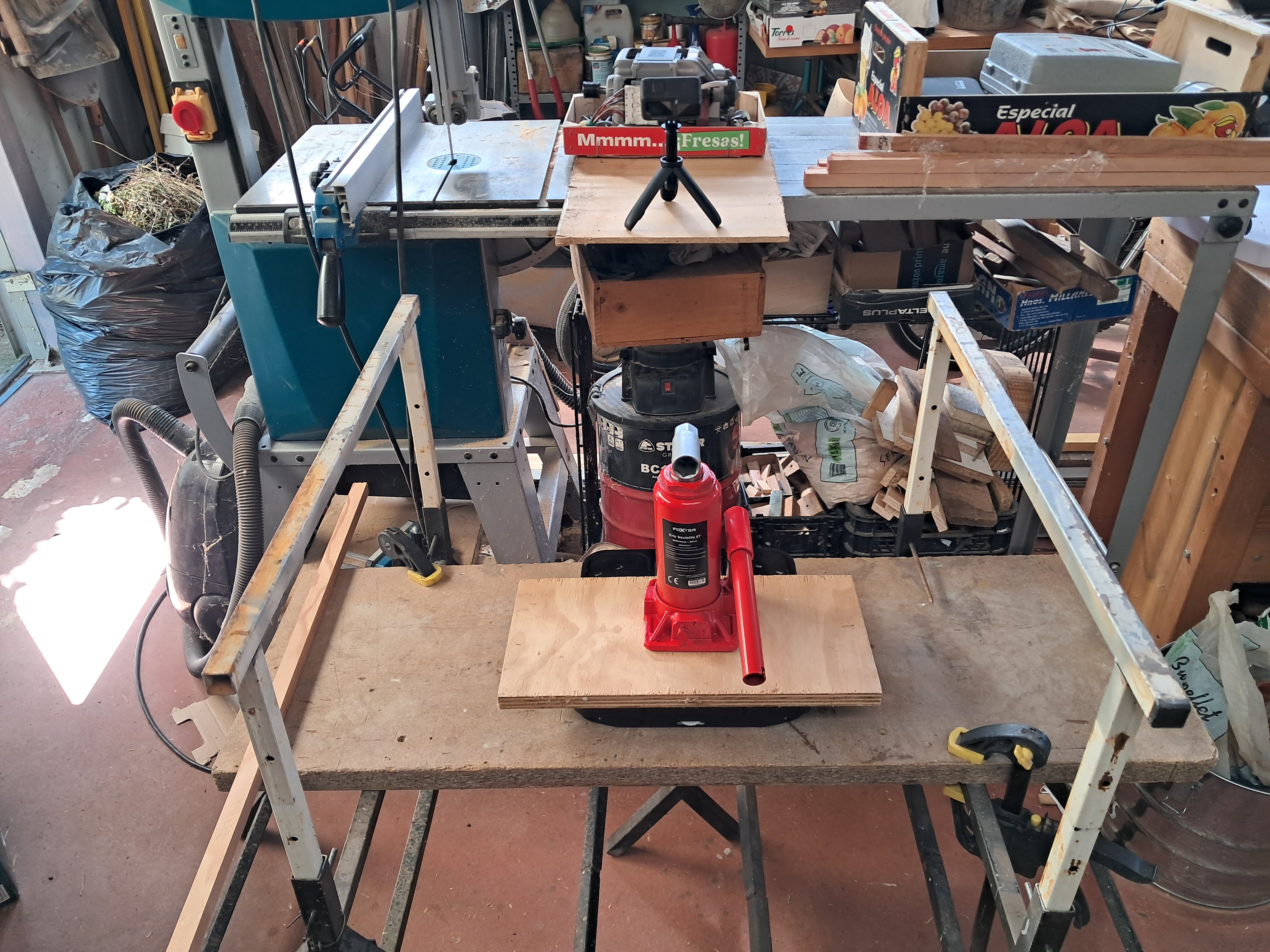
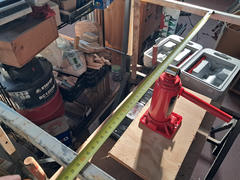
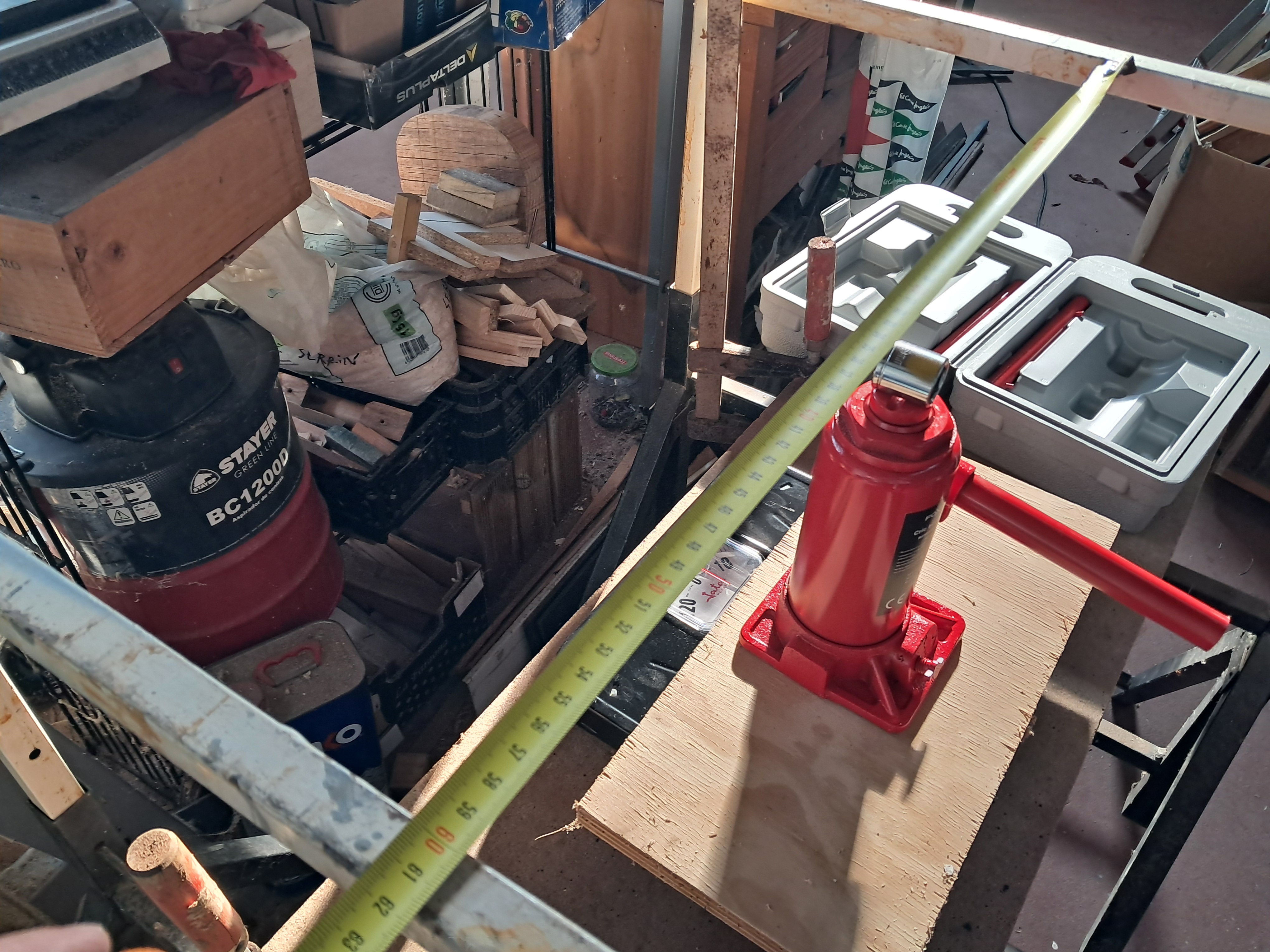
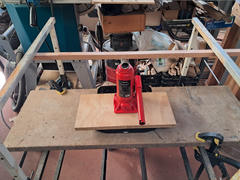
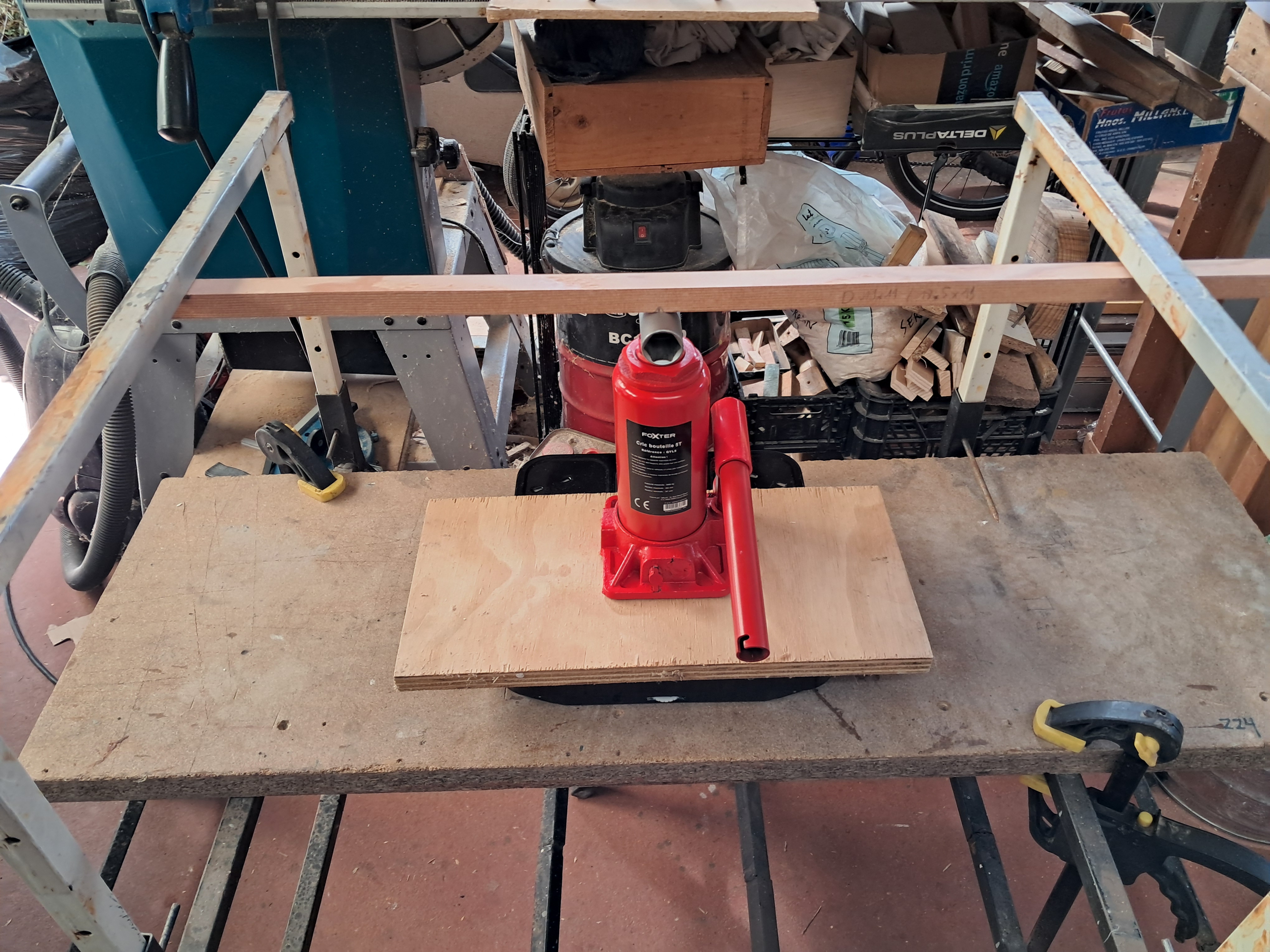
To perform the test I used two metal caballetes, placed at exactly 600 mm distance. These serve as the lateral supports for the test samples. The force is applied from below using a hydraulic jack. To avoid pressing with a sharp edge, I used a large nut from a ratchet.
The hydraulic jack is placed on a standard bathroom scale.
To get a reliable reading of the scale, I placed a camera recording it. That way I could focus on other things without worrying about capturing the exact moment when the sample fails.
Samples
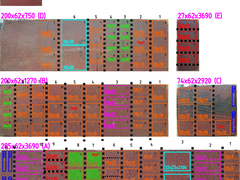
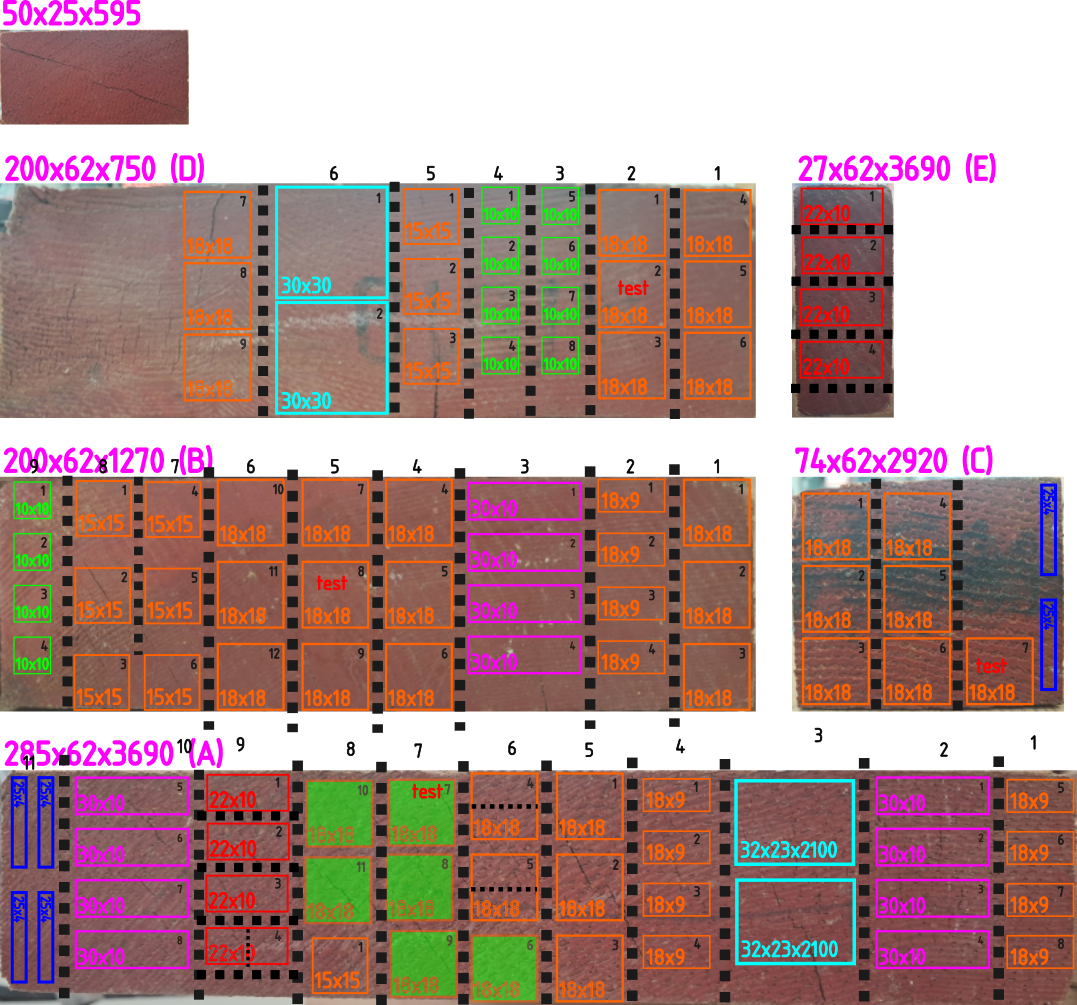
I deliberately chose samples that did not look perfect — not with real defects like knots, but sections of a beam where the annual rings are not perfectly straight and the wood is slightly less dense. The sections where the samples were taken are marked with "Test".
Results
I was a little afraid of the outcome. What would I do if the tests did not pass? Fortunately, that fear was not justified! All samples passed with quite a good margin.
- All three samples returned to their original shape without any sign of damage or deformation — even though I loaded them slightly more than required (I kept the 50 kg load despite the smaller cross-section).
- All three samples exceeded the required load before failure.
| Sample | 50kg test | Failure at |
|---|---|---|
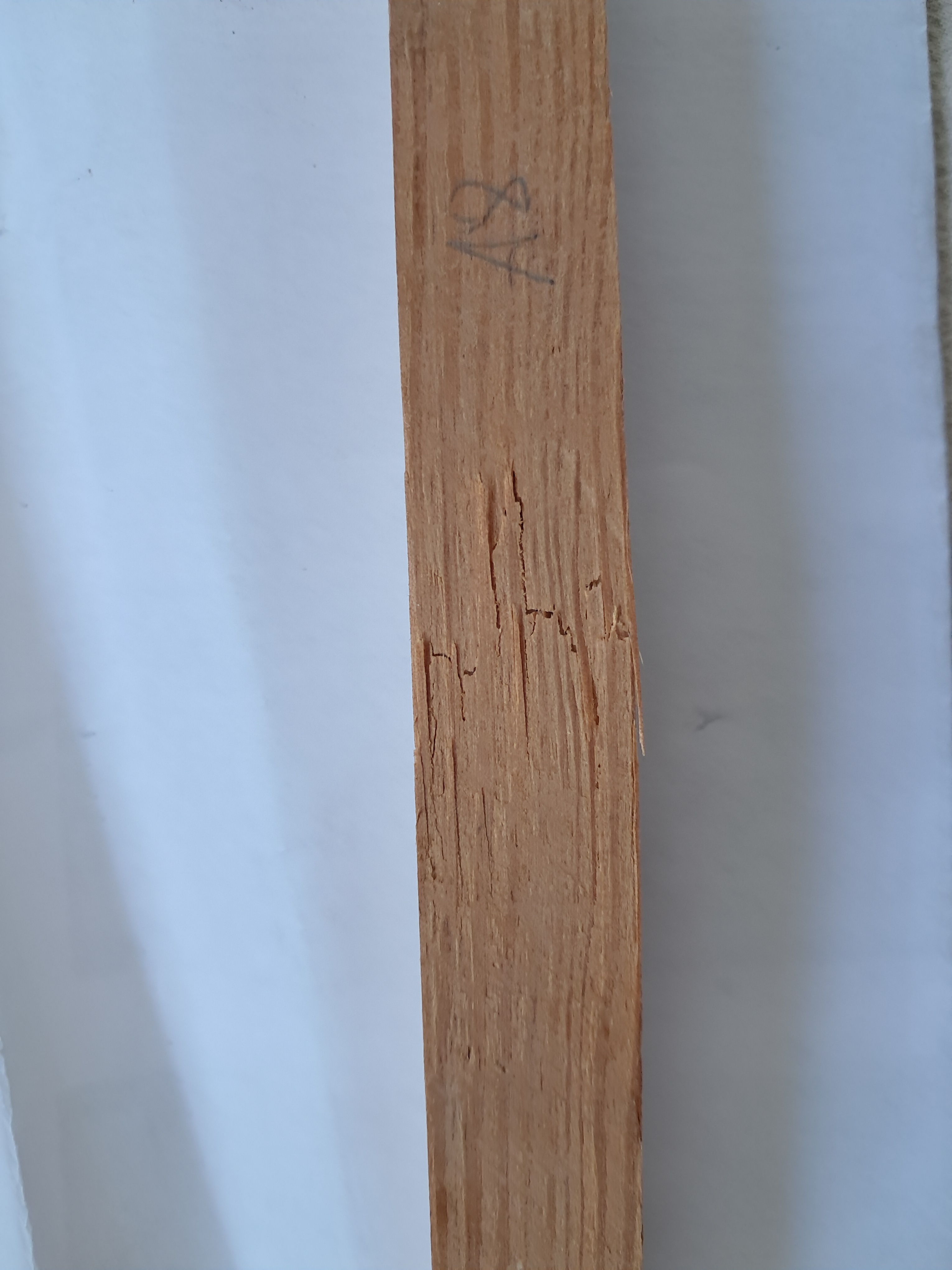
| A8 | ok | 706 N (72 kg) |
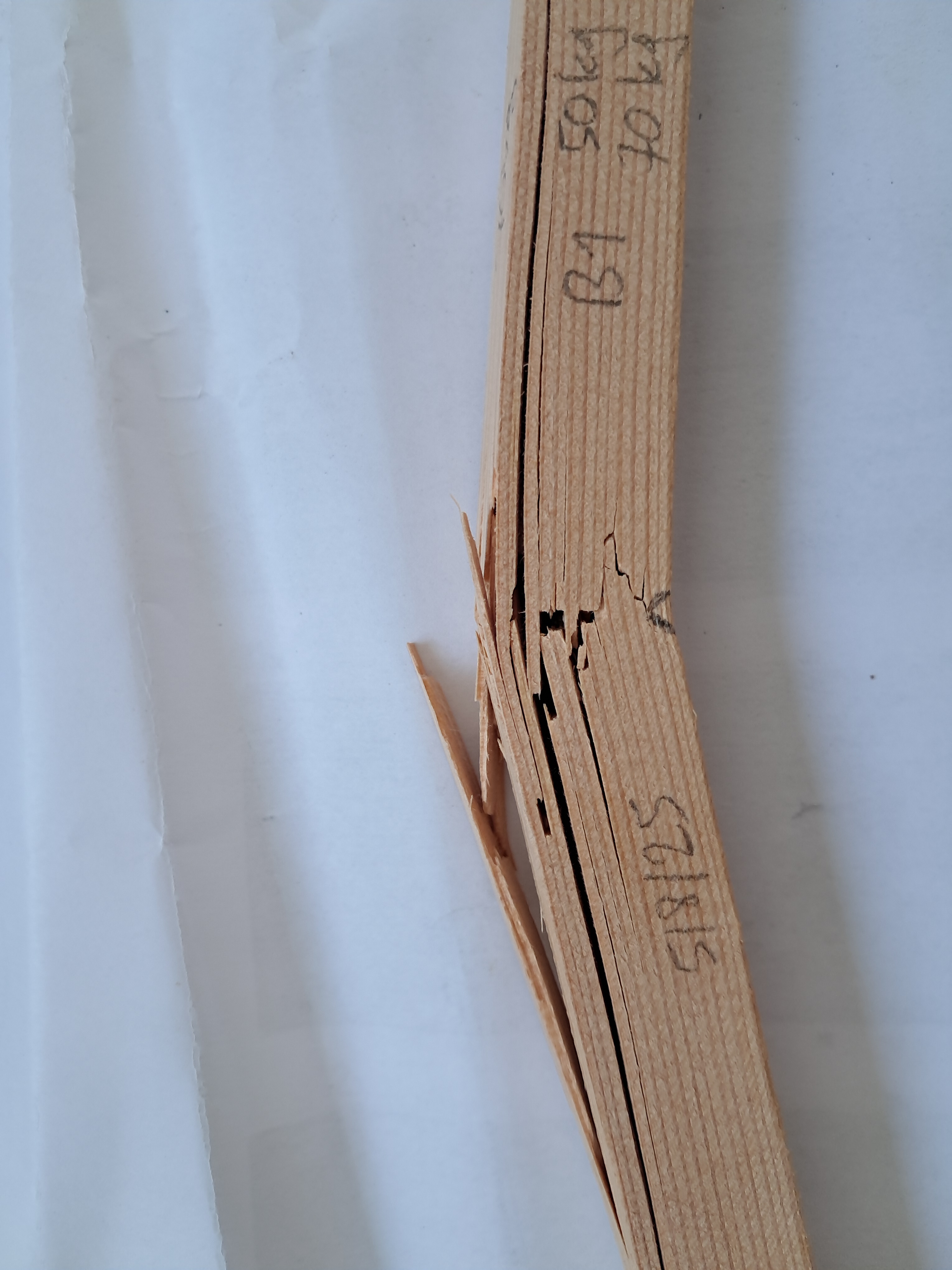
| B1 | ok | 687 N (70 kg) |
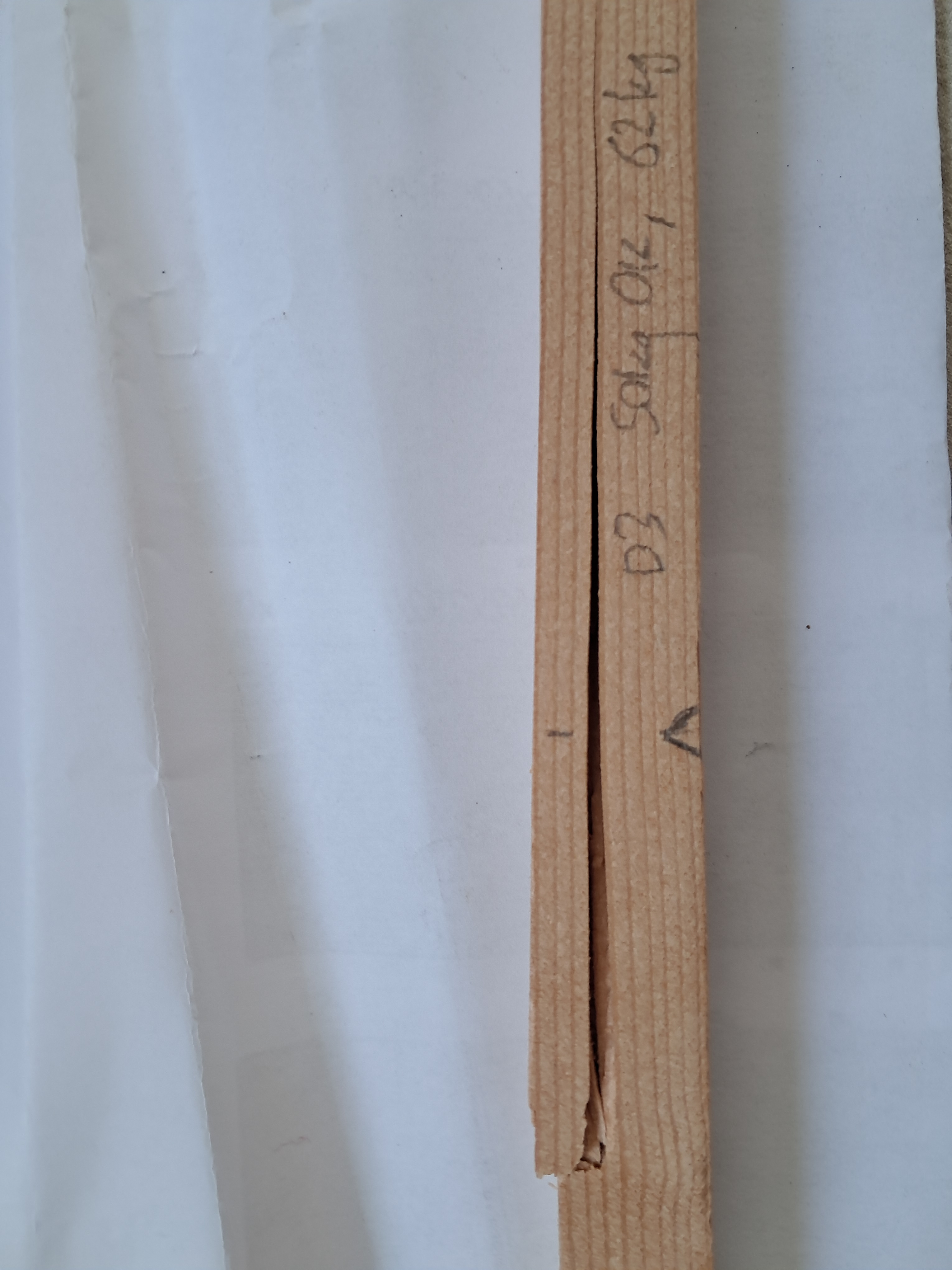
| D3 | ok | 608 N (62 kg) |
Photos of Ruptures
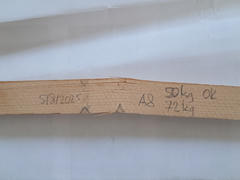
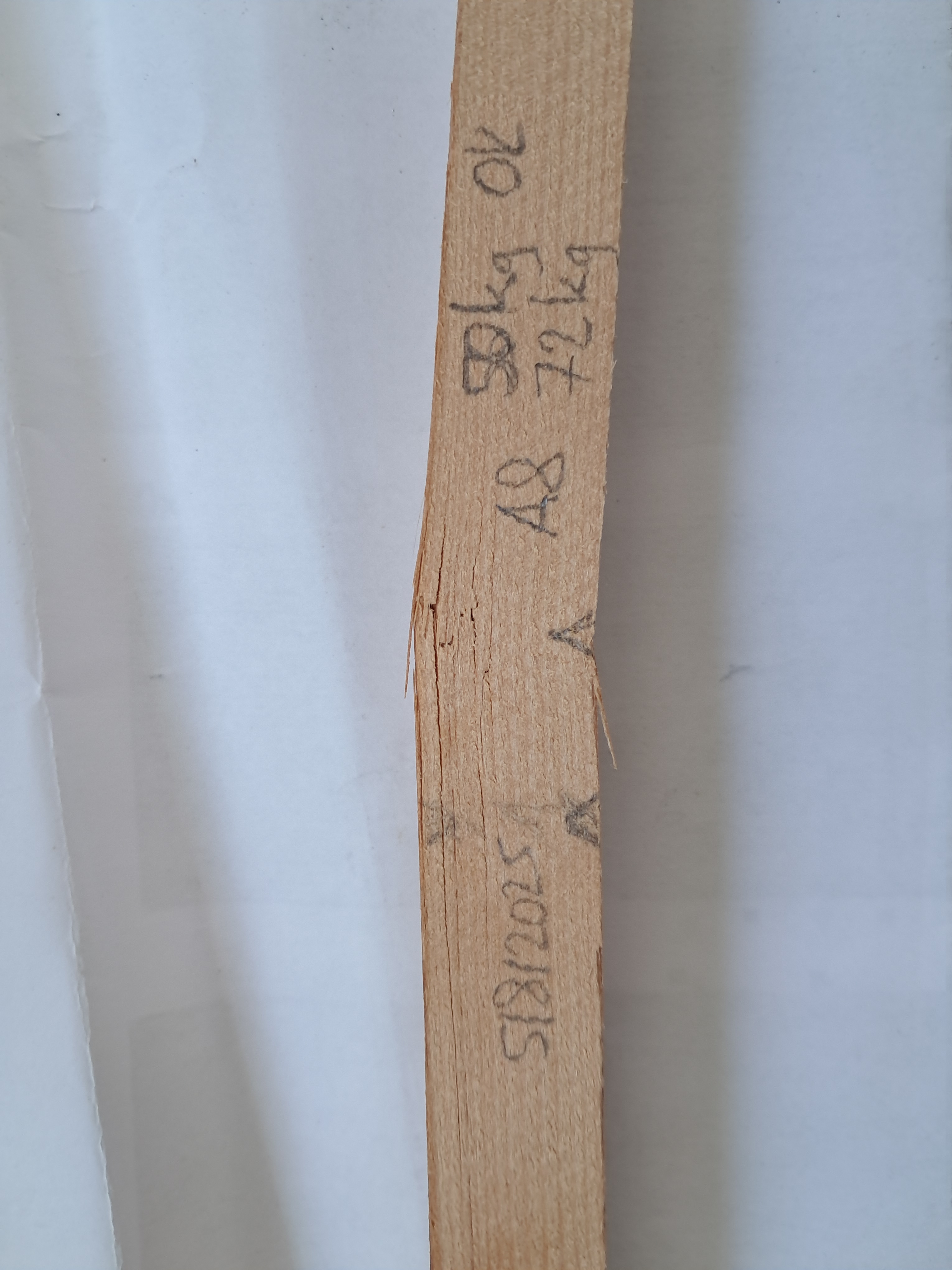
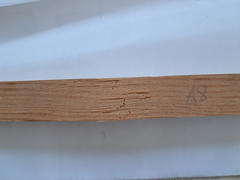
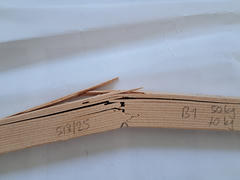
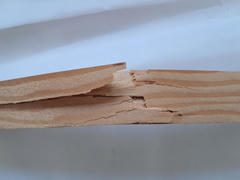
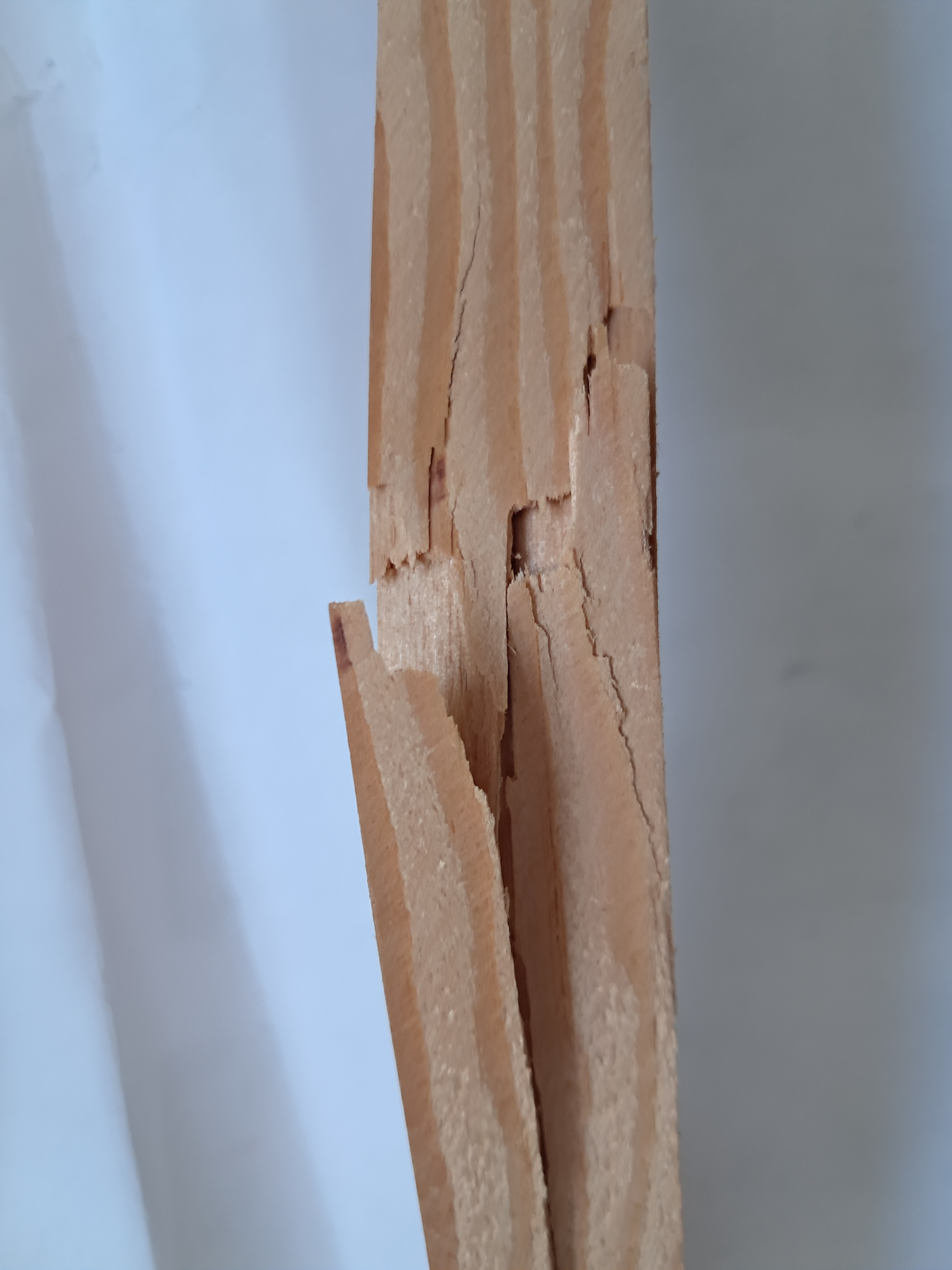
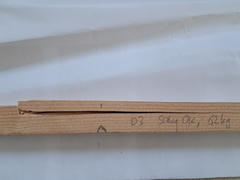
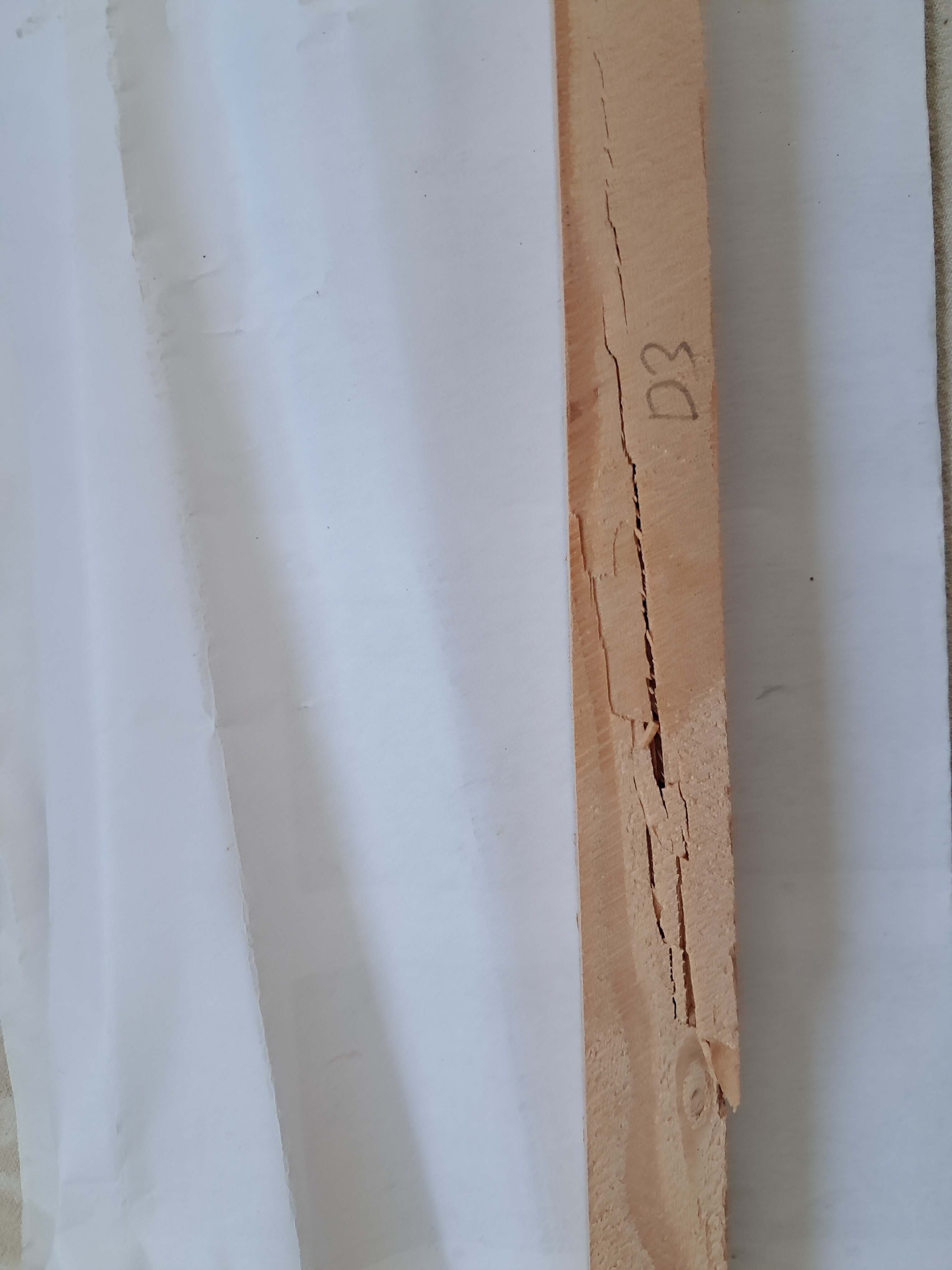
The fractures look quite good to my untrained eye. The D3 sample is not very clean and it is quite striking how a small branch knot appears to be the source of the fracture.
Conclusion
I am very content with these results. I followed the procedure and feel very confident that the tests were conducted correctly and that the wood meets the requirements. With this done, I will move on and start working on the fuselage frames.